Google Ads VS Facebook Ads Explained for Small Business Owners
Many business owners ask how Google Ads VS Facebook Ads compare, and the topic comes up often when planning new marketing work. Each platform reaches people in a different way, and both can bring strong results when used correctly. Since ads shape how customers find your business, it helps to understand how each system works before choosing a plan. Our team explains these choices often, and this guide breaks everything down in simple language. It also connects with Google ads vs Facebook ads pros and cons, so you see how each option fits into your goals.
When a business looks for new leads, ads play a big part in daily activity. Both Google and Facebook have strong reach, yet each one approaches customers differently. Google responds to what customers type in the search bar, while Facebook places ads in front of people based on interests, past actions, and behavior. These differences affect your results, budget, and long-term plan.
This guide walks you through how each platform works, how to compare both, and how our team at Ducker Creative shapes ad plans that support long-term growth.
How Google Ads VS Facebook Ads Work in Simple Terms
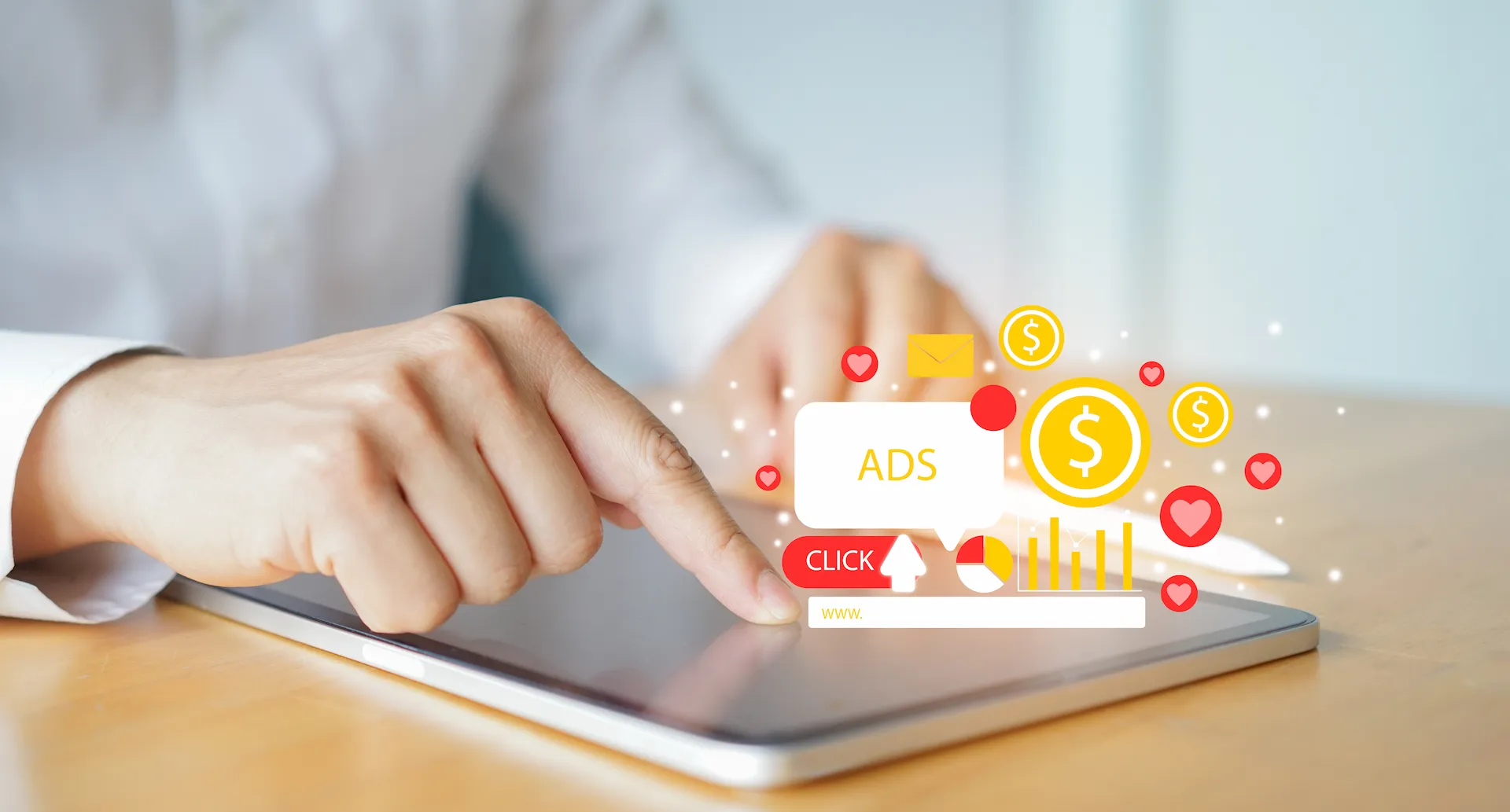
To understand the difference, picture Google as a search-based tool and Facebook as a discovery-based tool. Google responds when someone is looking for an answer right now. Facebook reaches customers who may not be searching yet but still match the type of person you’re trying to reach.
Our team sees this every day while building PPC plans that help clients expand their reach. You can learn more through our PPC marketing service if you want to see how paid ads fit into your overall growth plan.
Both platforms pull traffic in different ways:
- Google captures people ready to act. These visitors often know what they want, and they type clear search terms that lead them straight to your services. This type of visitor converts quickly.
- Facebook reaches people based on interests and behavior. These visitors aren’t always looking for your service right away, yet they match your ideal customer, so they become strong leads over time.
How Each One Reaches Customers
Small businesses often want clear examples to help choose the right platform. Here’s how each system interacts with real customers.
Google Ads
Google shows ads when someone types a service, product, or direct question. This means people already have intent. They want answers, quotes, or solutions right now, which makes this platform strong for high-intent leads. Many service businesses rely on this because customers usually search instead of scrolling when they need help fast.
Facebook Ads
Facebook places ads inside the feed, using interests, age, habits, and past activity. This setup helps your business reach customers who didn’t search yet but still match your ideal audience. This leads to strong brand awareness, more exposure, and steady growth over time.
If your business already uses social posts, pairing your ads with social media marketing can increase activity even more.
Budget Differences
Small businesses need a good sense of how their money works before choosing a platform. Google uses a cost-per-click model, where you pay each time someone clicks your ad. Facebook uses a mix of impressions and clicks, helping you reach more people before they act.
Some businesses see lower costs on Facebook, yet higher intent on Google. Others see the opposite. It depends on your goals, competition, and target area.
Our team reviews each factor, explains the differences clearly, and shapes a plan that helps you get the best return for your budget.
Google Ads VS Facebook Ads: Which One Fits Your Industry?
Every industry responds differently. Some see better results with search-based traffic, while others grow faster through feed-based discovery.
Here’s how to think about it:
- Google works well for service industries. People often search right away when they need repairs, quotes, or appointments.
- Facebook works well for interest-based markets. Businesses with visuals, stories, or lifestyle-driven messaging often see strong traction in customer feeds.
A combined plan gives the best of both, and many owners choose to run both platforms so the business gains steady exposure across search and social networks.
If you want help building a combined approach, our PPC marketing service can guide you step by step.
Google Ads VS Facebook Ads: How Ducker Creative Plans Your Campaigns
Our team builds campaigns around real goals instead of guesswork. Since ads work best with solid structure, we start with your website and shape it to support conversions. If your site needs changes, our web design and development service helps refine layout, speed, structure, and content flow. A clean layout helps customers understand your business quickly, which improves ad results.
We also review your search visibility to see how future visitors will find you outside of ads. You can learn more about this through our search engine optimization service. Strong structure helps ads perform better, since people who click your ads often explore your site afterward.
When we build your plan, we look at:
• Your service areas
• Your ideal audience
• Your goals
• Your website structure
• Your budget
• Your long-term targets
This helps us shape a setup that brings results instead of wasted spending.
Google Ads VS Facebook Ads: How Each Platform Supports Growth
Ads don’t work alone. They blend with the rest of your marketing plan. Search tools, layouts, content, and social pages all affect how your ads perform.
Google Ads support growth by meeting customers at the exact moment they search. This gives you motivated leads.
Facebook Ads support growth by increasing brand visibility, building interest, and helping more people learn about your services.
Since both platforms interact with your website, structure matters. If your layout is clean and easy to use, your ads convert more effectively. If your pages feel confusing, people leave quickly. This is why many clients pair ad plans with Local business SEO to increase visibility from every angle.
Google Ads VS Facebook Ads: Clear Signs You Need Both
Many businesses eventually decide to use both platforms. Each system fills gaps the other can’t cover.
- Google brings fast, high-intent leads. These leads often turn into customers quickly because they searched with purpose.
- Facebook builds constant visibility. This helps people recognize your business over time, even before they ever search for your services.
- When combined, you gain steady traffic and strong brand presence. Customers see your name across platforms, which builds trust quickly.
Our team often blends both systems into a single monthly plan so your ads support each other instead of running separately.
Frequently Asked Questions
Do Google Ads and Facebook Ads cost the same?
No. Google often costs more per click because customers search with stronger intent. Facebook reaches more people for less, yet intent varies.
Which one brings faster results?
Google usually brings quicker leads because customers search right when they need something.
Does Facebook help with brand awareness?
Yes. Facebook places your business in customer feeds, which helps people see your brand more often.
Do both platforms work for small businesses?
Yes. Both can support growth when the plan matches your audience and goals.
Can both platforms run at the same time?
Yes. Many businesses use both to appear in search and social feeds together.
Which one works better for service industries?
Service companies usually see stronger results from Google Ads because customers search when they need help.
Do ads improve SEO?
Ads don’t directly change rankings, but they bring in visitors that support long-term website activity.
Is a strong website needed for ads to work well?
Yes. A fast and simple layout helps ads convert more visitors into customers.
Do different industries need different ad styles?
Yes. Each industry responds differently, so the message and targeting should match the audience.
Is long-term planning needed for ads?
Yes. Consistent planning helps ads stay steady and prevents wasted spending.
The Bottom Line
Google Ads VS Facebook Ads offers two different paths for growth, yet both support business goals when used correctly. Search-based leads from Google and interest-based exposure from Facebook create a balanced flow of customers. When your business pairs ads with strong website structure, clear messaging, and a solid visibility plan, your results grow quickly.
If your business is ready to build an ad strategy that fits your goals, Ducker Creative can help. Our team creates complete plans that support long-term traffic, better visibility, and steady results. We’re ready to guide your next step.
See Also:
- Quality & Affordable Web Design and SEO in Warrenton, Oregon
- Quality & Affordable Web Design and SEO in Sheridan, Oregon
- 10 Reasons Why Your Website Needs SEO for Growth
- Website for Realtors: Why Every Real Estate Agent in Eugene Needs a Website
- Understanding Local Business Website Cost in Eugene, OR
Recent Posts